Stories

Synthetic Lab-grown Diamond

Lab-grown diamonds have attracted much attention in the jewellery industry in the recent decade. In particular, the industry was shocked when global diamond company De Beers announced in 2018 that they would produce and sell lab-grown diamonds targeted at younger consumers under the Lightbox brand. A frequently-asked question is whether lab-grown diamonds are similar to […]

Synthetic Lab-grown Diamond Read More »

Diamond

Diamonds are forever. The English name for diamonds came from the Greek word ”adamas” – unbreakable, invincible and unyielding – aptly describing the hardest natural substance on Earth. Nothing can scratch a diamond except another diamond. Solitaire rings for life’s most precious moments. (Blossom & Vicker) The globally accepted standards for assessing diamonds are the

Diamond Read More »

Aquamarine

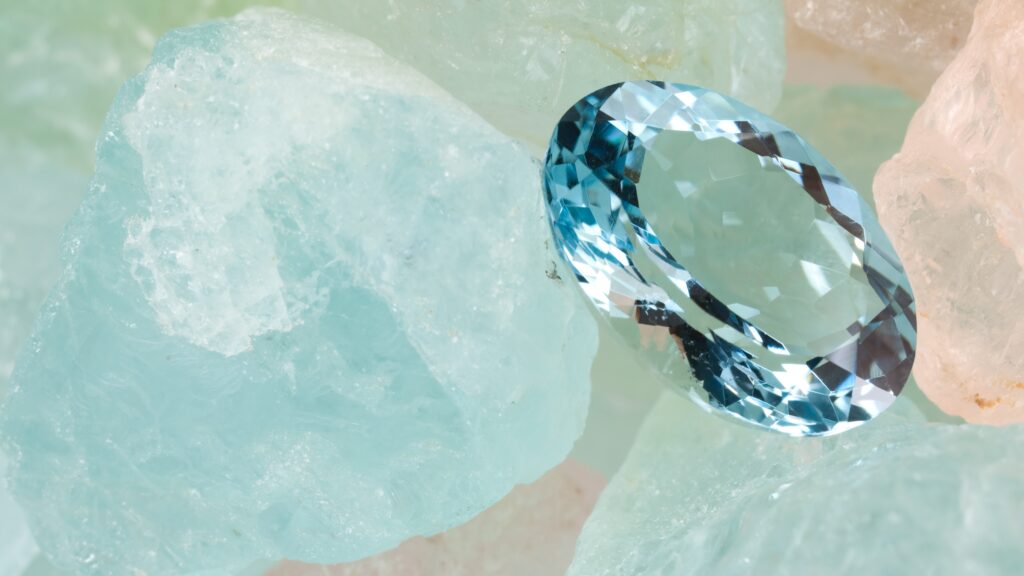
Aquamarine belongs to the beryl family, alongside the emerald. Other notable family members include the red rhodochrosite and the pink morganite. Aquamarines occur in shades ranging from pale blue to greenish-blue, with the most valuable specimens exhibiting high clarity and vivid, light sea blue hues. Named after the colour of seawater in Latin, aquamarine perfectly

Aquamarine Read More »

Paraiba

Tourmaline, the family of Paraiba, is the only gemstone and mineral that keeps a permanent electrical charge. The gem is believed to bring positive energy to the wearer because of its ability to generate an electrical current by simply absorbing sunlight. It is also the birthstone for October. In the early 18th century, traders from

Paraiba Read More »

Paraiba (Blossom & Vicker)

Tanzanite

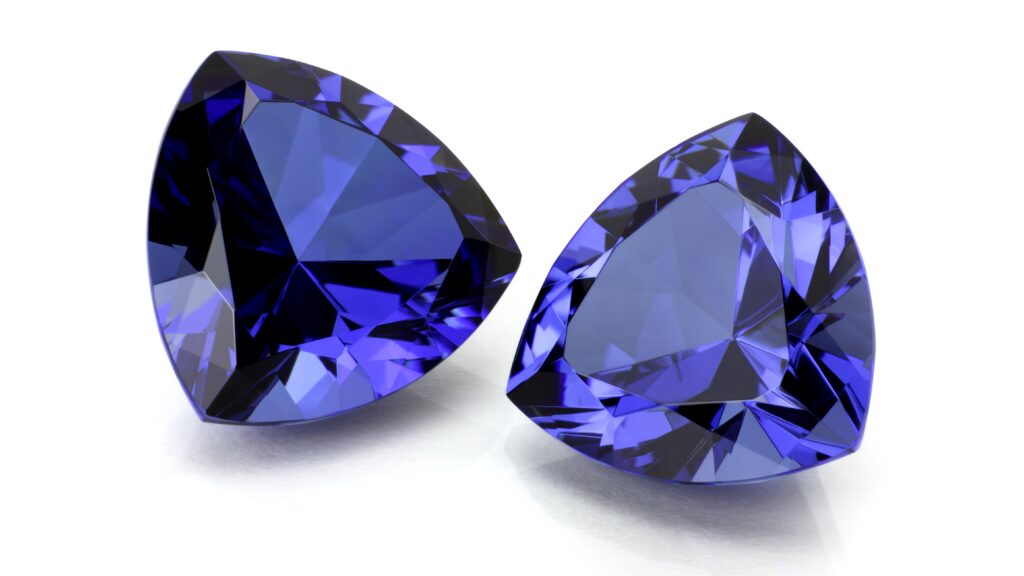
Tanzanite was ushered into the limelight by Tiffany & Co. a year after it was excavated in 1967. A blue variety of the mineral Zoisite, Tanzanite’s rich blue hue became an instant sensation and was hailed as the gemstone of the 20th century.   Standard colour: Tanzanite shows different colours when viewed in different crystal

Tanzanite Read More »

Sapphire

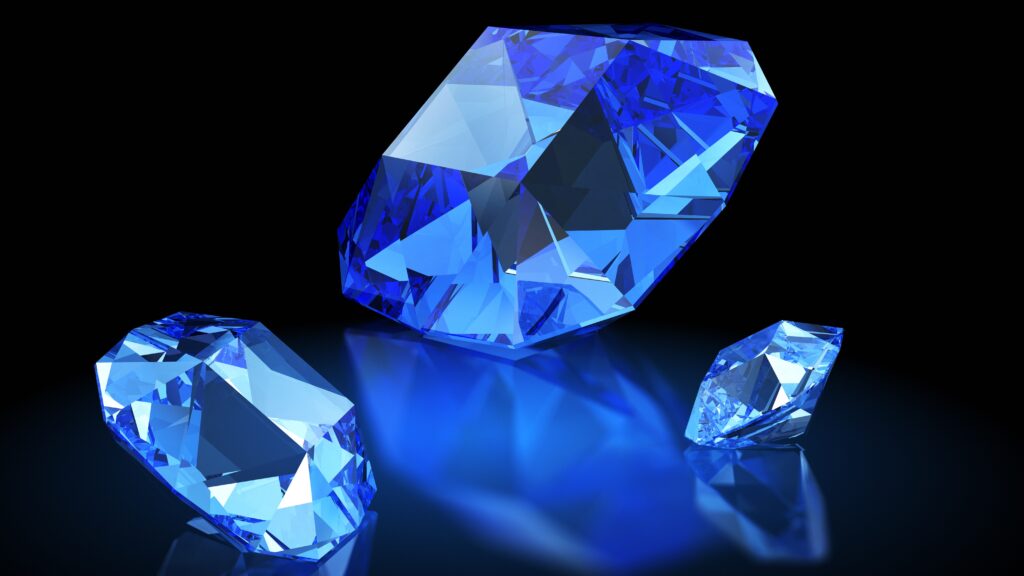
Sapphire is a blue variety of the corundum family. It is the birthstone of September and the commemorative stone for the 5th and 45th wedding anniversaries. Hence the “sapphire wedding” for couples celebrating 45 years of marital union. Blue sapphire symbolises nobility and is believed to bring good fortune to its owners. Time and again,

Sapphire Read More »

Padparacha

When Princess Eugenie got engaged to Jack Brooksbank in 2018, all eyes were on her one-of-a-kind engagement ring. Surrounded by 12 diamonds and set on a yellow gold band, the padparacha sapphire centre stone became an instant sensation amongst international jewellery brands. Padparacha comes from the Ceylonese word Padparadscha for lotus, and the gem belongs

Padparacha Read More »

Red Spinel

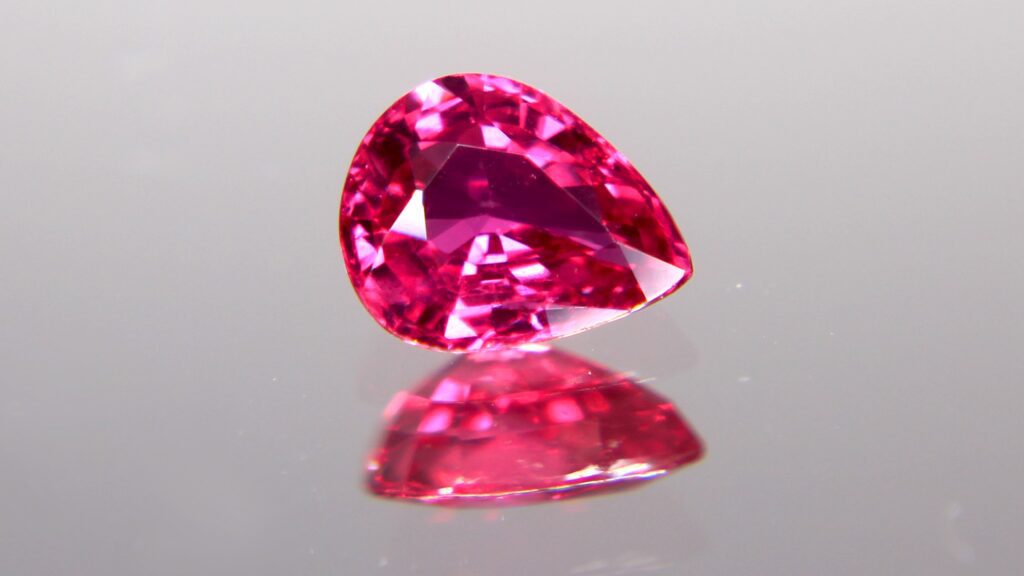
Red spinel has long been mistaken for ruby since ancient times, with famous examples adorning British Crown Jewels such as the Black Prince’s Ruby and the Timur Ruby. However, in recent years, red spinel has stepped out from being an alternative to ruby, earning its place as one of the most loved gemstones by international

Red Spinel Read More »

Ruby

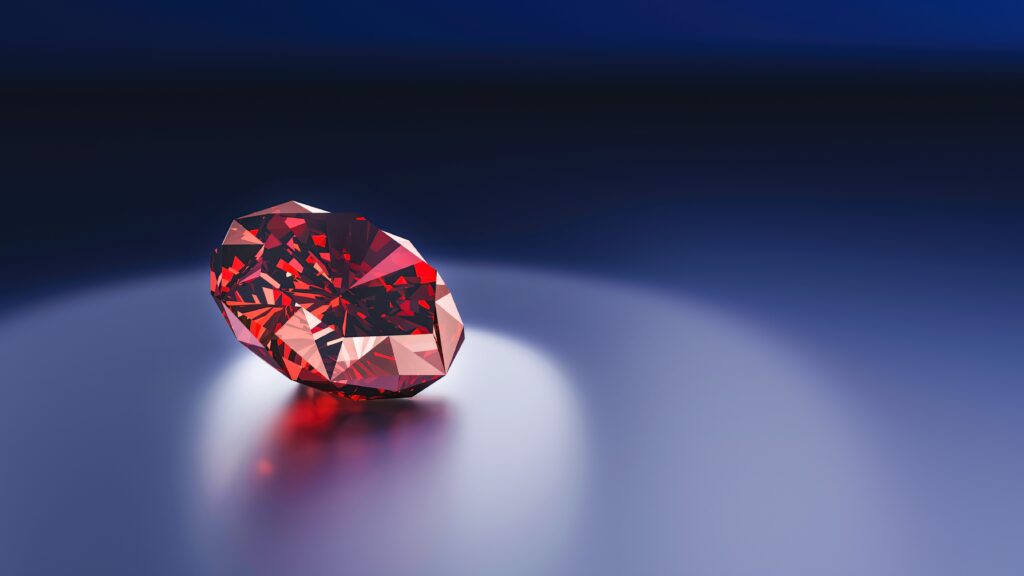
In the Bible, rubies are regarded as the most precious of all 12 gemstones created by God. The intense red hues of rubies have always been associated with love and passion – the ‘gem of love’ symbolising the splendour, eternity and unwavering loyalty of love. Ruby is the birthstone of July. Beyond diamonds, rubies are

Ruby Read More »

Emerald

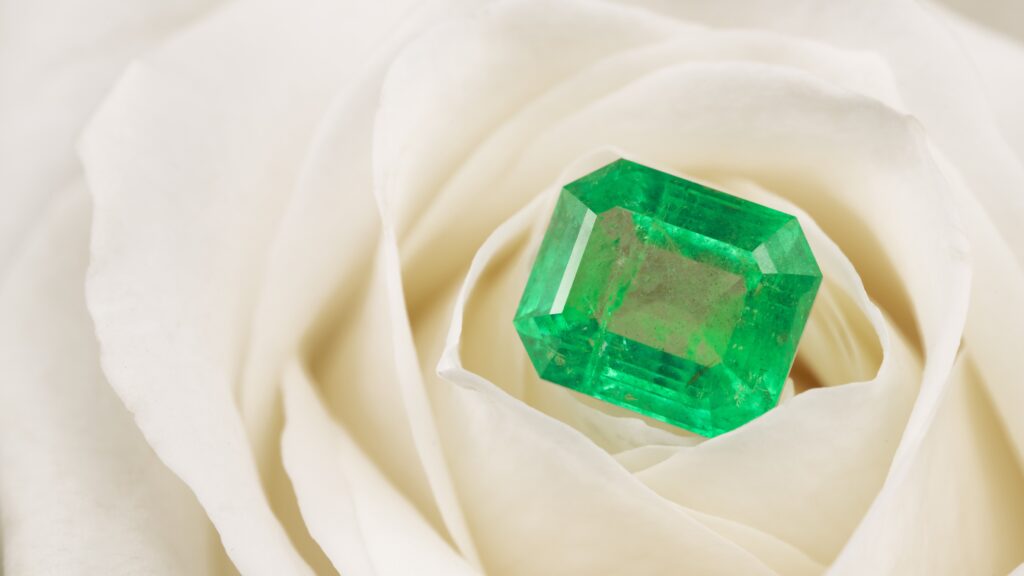
As Asians adore jadeites, the western world revered emeralds as the king of all green gemstones for thousands of years. Due to its crystal nature, fractures and liquid inclusions are emeralds’ most common clarity characteristics. The trade uses “jardin”, garden in French,  to describe these mossy or garden-like inclusions. Emeralds with high clarity are extremely

Emerald Read More »

Scroll to Top